
Authors: Lisa Trinder, Technical Specialist (Maintenance Solutions) and Jonathan Read, Technical Specialist (Rotating Equipment) at HAYLEY DEXIS
At 11 pm, a maintenance engineer is dealing with a food production line that has stopped, with every minute of lost production adding to the cost. At 11 am, another engineer is planning a condition assessment of critical pumping asset ahead of a major refurbishment programme. The challenges are very different, but the engineering approach behind them is the same.
At HAYLEY 247 DEXIS, our role is not simply to respond to the initial problem. We work alongside our customers’ engineers to understand what has happened, identify why it happened and determine the most appropriate engineering solution.
Sometimes that means an immediate repair to get production running again. In other cases, it means refurbishment, modification or replacement. Increasingly, it also means using condition-monitoring and diagnostic technologies to identify developing problems before they result in failure.
Engineers Supporting Engineers
Engineering and maintenance teams across UK industry are being asked to manage increasingly complex assets, often with fewer specialist engineering resources available on site. At the same time, safety, traceability, reliability and cost remain critical considerations. This makes access to the right engineering expertise particularly important, especially when an asset fails unexpectedly.
For HAYLEY 247 DEXIS, the first objective during a breakdown is straightforward: understand the problem and help the customer restore operation safely and efficiently. But getting an asset running again only answers the immediate question.
The next question is: Why did it fail in the first place? That is where breakdown response becomes reliability engineering.
By looking beyond the failed component to the wider mechanical system, we can investigate factors such as alignment, vibration, structural movement, loading, mounting arrangements and operating conditions. Understanding those interactions helps us move from simply repairing a failure towards preventing it from happening again.
That approach is also driving our continued investment in condition monitoring and asset diagnostics.
Seeing Motion the Naked Eye Cannot
One of the technologies expanding our diagnostic capability is Motion Amplification.
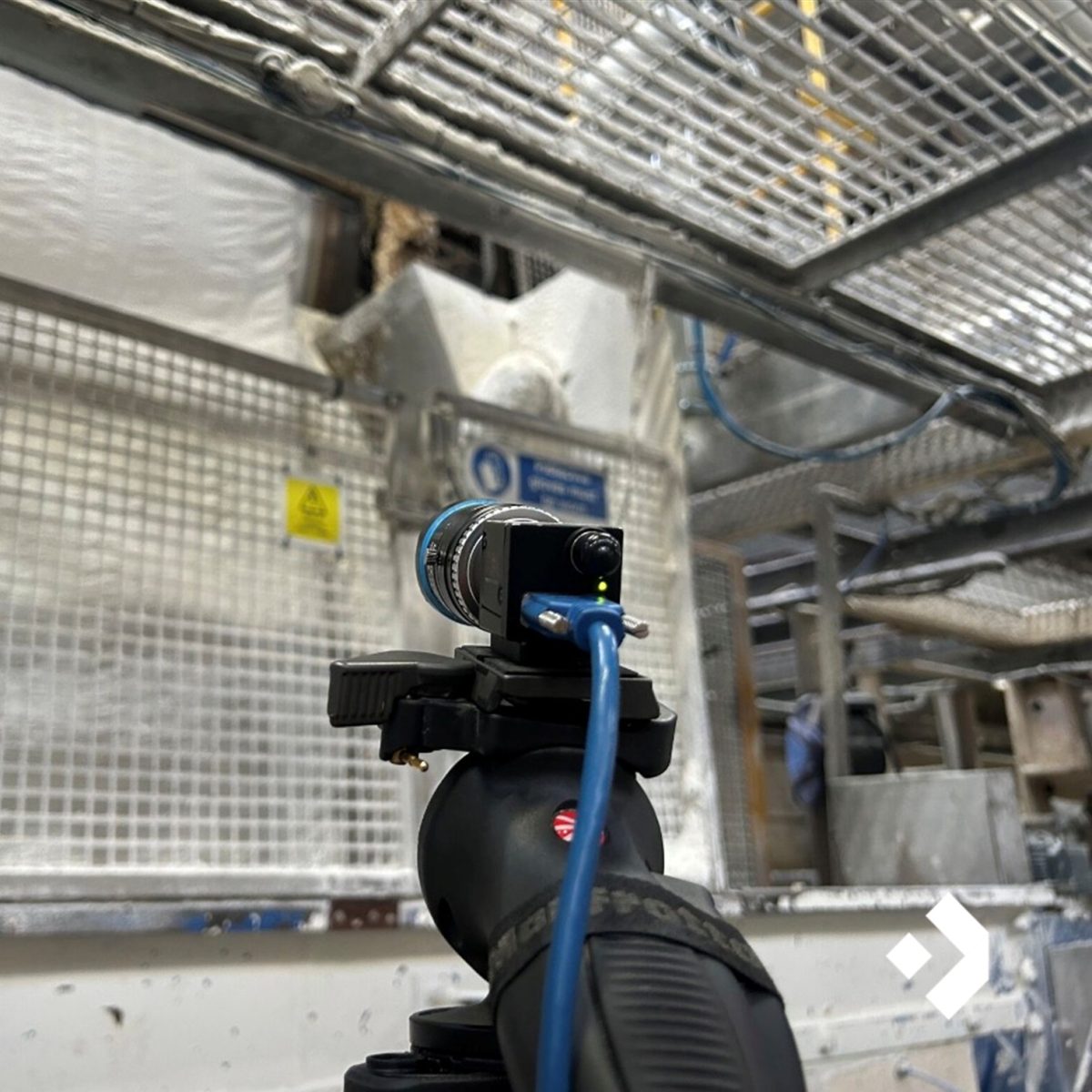
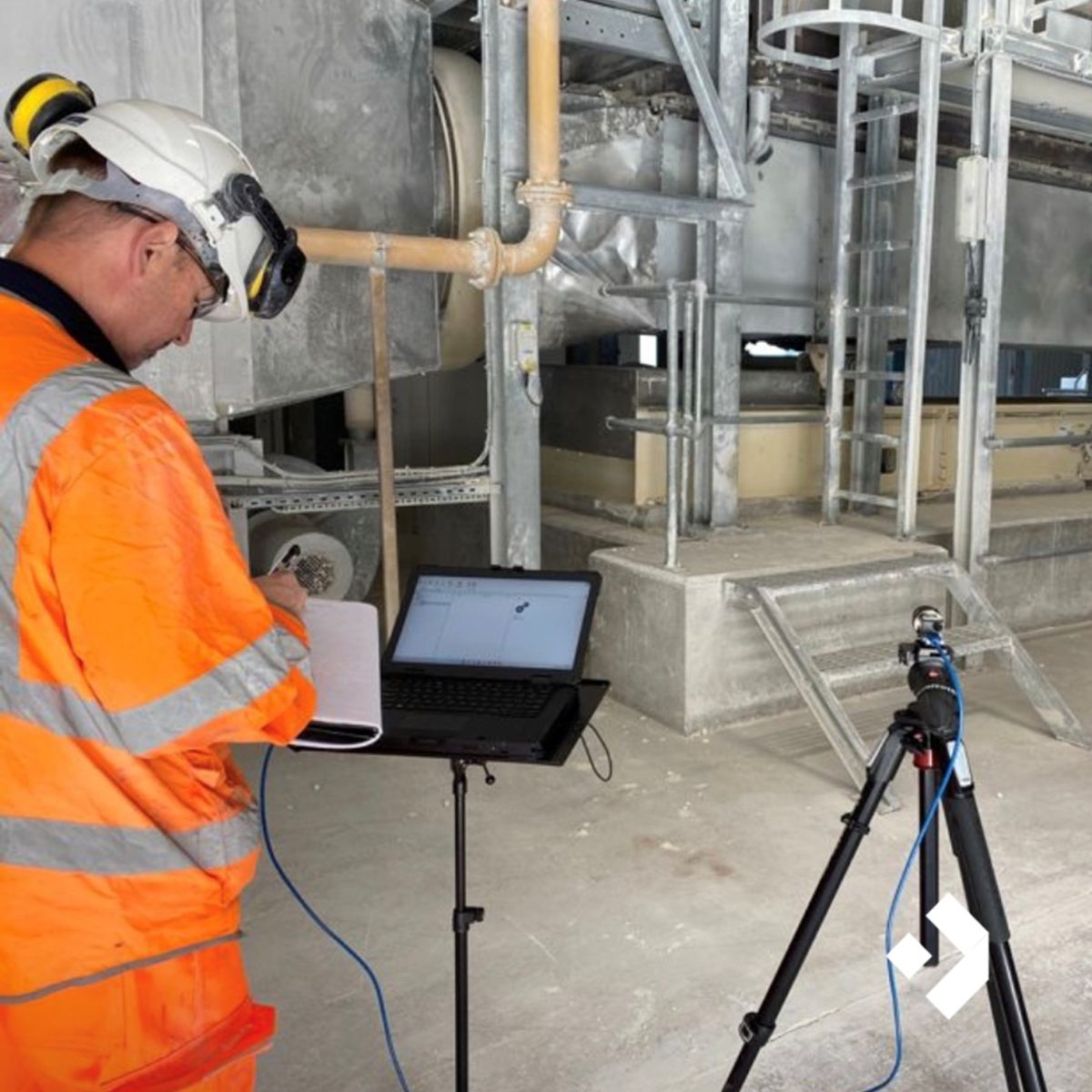
Motion Amplification provides a different perspective. It uses video-based measurement to detect and amplify very small movements that would otherwise be difficult or impossible to see with the naked eye. This allows engineers to visualise how an asset, its supporting structure and connected equipment behave while the machine is operating.
We recently used the technology to support a customer carrying out a condition assessment of a critical pumping asset, as all other traditional condition monitoring techniques had failed to identify the root cause of the problem.
Rather than assessing individual components in isolation, Motion Amplification allowed us to examine asset movement across the wider installation under operating conditions. This included vibration, structural deflection and movement associated with the pump, drivetrain, pipework, baseplate and supporting structure.
Traditional condition-monitoring measurements remain extremely valuable, but the ability to see the movement provides engineers with another diagnostic tool. It can make complex vibration and structural behaviour easier to understand and helps demonstrate how movement in one part of an installation can influence another.
During the assessment, the technology contributed to the investigation of a number of areas, including:
– structural movement around pump baseplates;
– mechnical issues associated with rotating equipment;
– pipework movement and areas of stress;
– drivetrain and coupling behaviour
– foundation and mounting conditions;
– potential opportunities to improve operatibng efficiency.
Importantly, the technology does not replace engineering judgement or established condition-monitoring techniques. It adds another layer of evidence that can be considered alongside vibration data, mechanical inspection, operating history and our engineers’ knowledge of rotating equipment.
This combination allowed the findings to be translated into practical recommendations and subsequently into targeted refurbishment and upgrade work, with the objective of improving both operational performance and long-term asset reliability.
Investing in Engineering Capability
Diagnostic technology is only useful when it is supported by people who understand the machinery, the application and the operating environment.
That is why our investment is not limited to condition-monitoring technology.
The recent acquisition of GB Electrical has strengthened our electrical engineering capability and complements the mechanical expertise already available across HAYLEY 247 DEXIS. This broadens the range of problems our teams can investigate and helps us look at an asset as a complete system rather than simply an individual component.
We have also invested in three new pieces of tooling equipment and increased headcount within HAYLEY 247 DEXIS by 30%
Developing the next generation of engineers is an important part of that investment.
There is a significant amount of practical engineering knowledge across HAYLEY 247 DEXIS and the wider HAYLEY DEXIS group. Capturing and transferring that experience is essential.
Building on the training approach already used within our fluid power department, we hope to extend opportunities for engineers to shadow repair and refurbishment work in our West Midlands facilities. This gives customers’ engineers an opportunity to see equipment stripped, inspected, assessed and rebuilt, and to understand the engineering decisions made throughout the process.
It turns a repair into a learning opportunity.
Engineering Capability In-house
One of the main advantages of the HAYLEY 247 DEXIS model is the breadth of engineering capability available within the business.
From fault diagnosis and condition assessment through to machining, fabrication, repair and refurbishment, having engineering disciplines available in-house means we can consider different solutions rather than approaching every problem as a straightforward replacement.
Our capabilities extend across the wider HAYLEY DEXIS group, including our Inverkeithing facility near Edinburgh, where specialist gear manufacturing expertise supports large and complex mechanical applications.
This enables us to support an extensive range of rotating and mechanical equipment across industries, from individual bearings and gearboxes through to large-scale industrial and ship-to-shore mechanical systems.
From Condition Data to Engineering Decisions
Within sectors such as water and utilities, asset reliability presents a particular engineering challenge. Equipment must often remain in service for long periods, and decisions around repair, refurbishment or replacement need to be supported by good information.
Combining mechanical engineering expertise with technologies such as Motion Amplification gives engineers a clearer picture of how equipment is actually behaving in operation. The objective is not simply to collect more condition data. The objective is to turn that data into better engineering decisions.
That could mean identifying a developing mechanical problem, correcting an installation issue, targeting a refurbishment more accurately or demonstrating that an asset can continue operating without unnecessary intervention.
Combined with TrackUp reporting, this also enables improvements and savings to be documented over time, helping customers understand the effect of engineering interventions on reliability and total cost of ownership.
Support When Engineering Problems Happen
Whether the call comes at 11 am during a planned condition assessment or at 11 pm during an unexpected breakdown, the principle remains the same: engineers supporting engineers.
Sometimes the answer is an immediate repair. Sometimes it is refurbishment, modification or replacement. And sometimes the investigation reveals an opportunity to change how the asset is monitored or maintained altogether.
The important part is not simply getting the equipment running again.
It is understanding why the problem occurred, what the machinery is telling us and what we can do differently to improve reliability in the future.
If you would like to discuss how HAYLEY 247 DEXIS can support your rotating equipment, condition monitoring, repair or refurbishment requirements, speak to your local HAYLEY DEXIS branch team. Find their details online: www.hayley-group.co.uk/branch-finder